Glacier
The word glacier has come from the glace (French word) that means ice. Glaciers are also known as “rivers of ice”. Most of the glaciers are made up of snows which are fallen in many years and packed together into solidifying masses of ice.
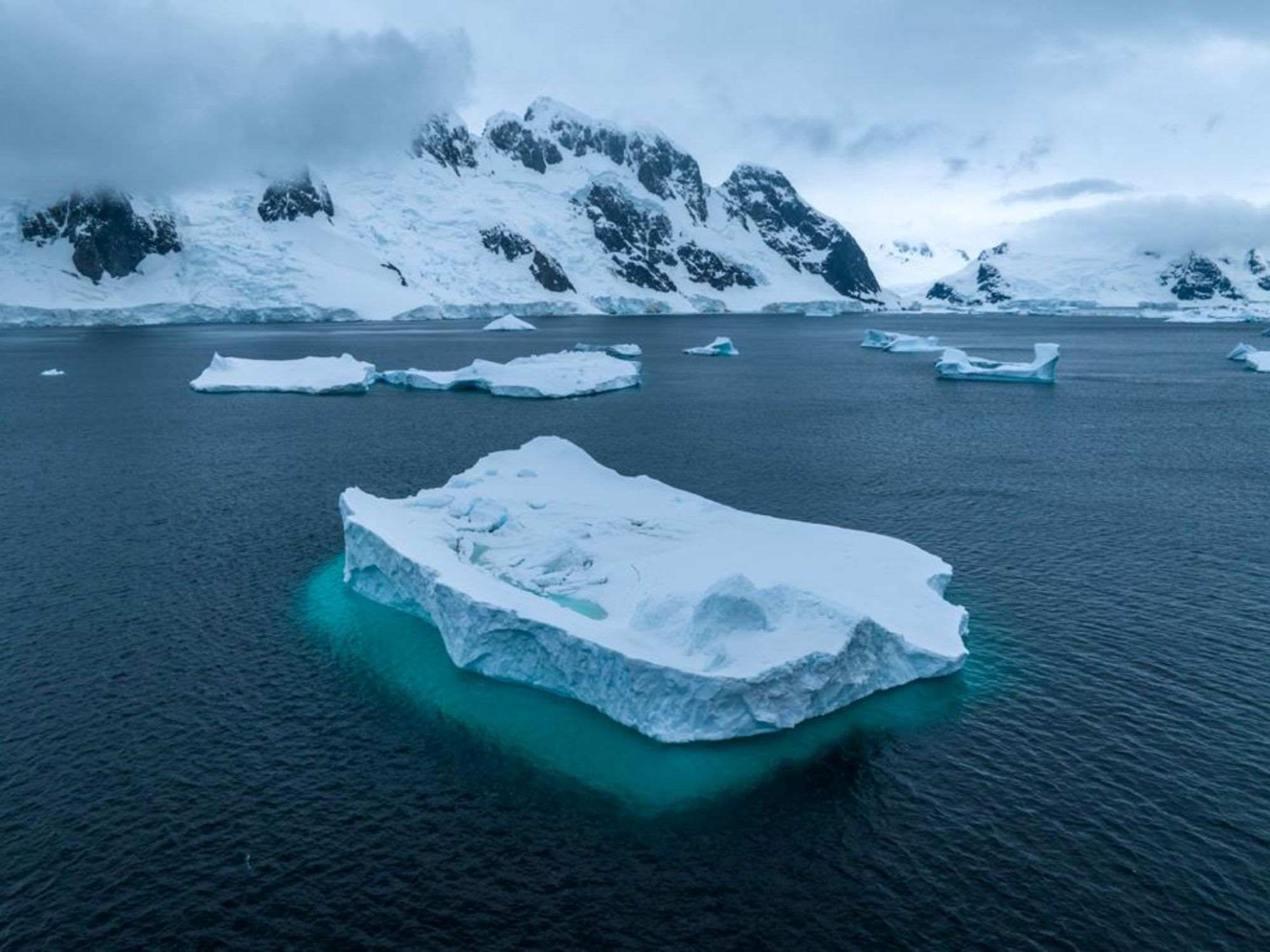
It forms in the winter season in which large quantity of snow is added and the weight of the snow generates pressure and this pressure converts the lower parts of snow into ice. This process occurs in so many years, thus, the glacier will continuing start growing and then converted into a heavy mass glacier. The gravity of the glacier may causes the ice to move and flows downwards into rivers slowly. The movement of the glacier is about 50m (160ft) in every year.
Glaciers are the largest reservoir of fresh water on Earth, which is formed in oceans. At present, glaciers covers at about 10 percent of the world’s total land area. Majority of the glaciers are present in polar regions such as Greenland, Antarctica, and the Canadian Arctic.
There is about 99 percent of ice is inside ice sheets in the polar regions. Glaciers are present in mountains ranges in each continent such ad Papua New Guinea and New Zealand.
Importance of glaciers
Glaciers are very Important in the polar regions for mountain water level in the ocean and sea to provide fresh or clean water to the living things ans save life in the Earth. There are several glaciers are situated in the polar regions where store water as ice in the winter season and provide fresh water to animals, plants, and human beings. Thus, glaciers are very important in life on Earth to provide water and save life on the Earth.
Due to global warming, most of the glaciers were fast melting and threat to the world as a flood in those cities and countries, which is surrounded by sea. Thus, take the steps to reduce the pollution in the world including India to lower the risk of global warming.

