Cervical cancer – It is the fourth most common cancer among women across the world and is caused by persistent infection with the human papillomavirus (HPV). Women are suffering from HIV (Human immunodeficiency Viruses) may be 6 times more likely to develop cervical cancer as compared with women without HIV. HPV is a common infection which passed or spread through making sexual relationships and is the main cause of cervical cancer.
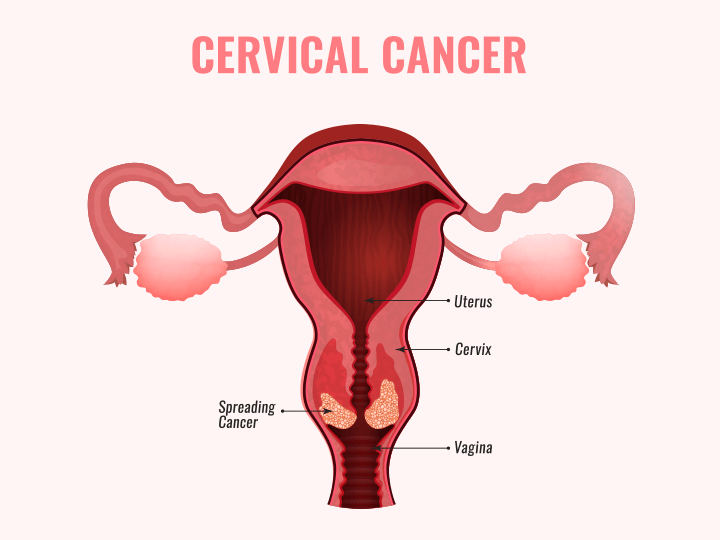
Cervical cancer occurs when cells change in the cervix that connects with the vagina and uterus. The cervix is the lowest part of the uterus in the human body where a baby grows at the time of pregnancy. This type of cancer may affect the deeper tissues of the cervix which are spreading to several other parts of the human body including the liver, vagina, rectum, and vagina.
Types of cervical cancer – Cervical cancer is divided into three types which are based on the type of cell where the cancer starts are given below –
- Squamous cell carcinoma – This type of cervical cancer starts in flat or thin cells known as squamous cells. Most of the cases of cervical cancer are squamous cell carcinoma is about 90 percent of cases among people.
- Adenocarcinoma – This type of cervical cancer starts in the gland cells which produce mucus and is less common as compared with squamous cell cancer.
- Adenosquamous carcinoma – This type of cervical cancer is a rare type of cancer which have both squamous and glandular (adenocarcinoma) cancer cells
Symptoms – Cervical cancer starts that may not cause any symptoms but it grows, it may cause several symptoms are given below –
- Pelvic pain during sexual intercourse
- Vaginal bleeding after sexual intercourse or menopause
- Bloody or watery vaginal discharge which can be heavy with a foul odor
- Menstrual bleeding which is lasts longer and heavier than usual
Causes – Most of the cases of cervical cancer are associated with the infection of HPV (Human Immunodeficiency Viruses). HPV is a common sexually transmitted infection that may affect the genital area, throat, and skin. passed or spread from one individual to another through sexual contact and is the main cause of cervical cancer. Several individuals who are sexually active may likely to get infected with HPV which can enhance the risk of cervical cancer.
Risk Factors – There are several risk factors for cervical cancers are given below –
- HPV infection – HPV (Human Papillomavirus) is the main cause and increases the risk of getting cervical cancer among individuals among women across the world.
- Several sexual partners – if any individual has several sexual partners or an increasing number of sexual partners then it may increase the risk of getting infected with HPV infections and cervical cancer.
- Smoking tobacco – Smoking tobacco enhances the risk of cervical cancer among individuals across the world. If any individual smokes tobacco, then they may be more likely to develop as compared with those individuals who do not smoke.
- Sexually active at a younger age – If any individual is sexually active at a younger age, then they may also risk of HPV infection and cervical cancer.
- A weakened immune system – A weakened immune system may also have a higher risk of getting HPV infections and cervical cancer among individuals across the world.
- Pregnancy at a younger age – If any women were firstly pregnant at a younger age or less or younger than 20 years old then they may be more likely to get cervical cancer as compared with those women who are first pregnant at 25 years old.
- Long-term use of birth control medicines or oral contraceptive pills – It is important to note that taking birth control pills for a long time then it may increase the risk of getting cervical cancer. Among individuals especially women across the world.
Prevention – There are several tips to lower the risk of getting cervical cancer among individuals especially women worldwide are given below –
- Safe sex – It lowers the risk of cervical cancer by taking several measures to prevent several sexually transmitted infections. Thus, you should use condoms during sexual activity which may reduce the risk of several sexually transmitted infections and also cervical cancer.
- Avoid smoke – You can reduce the risk of cervical cancer by avoiding or limiting smoking tobacco.
- HPV vaccine – You should receive a vaccination to prevent or reduce the risk of HPV infection and cervical cancer and several other HPV-related cancers.
- Condom – It prevent or lowers the risk of several sexually transmitted infections and may also reduce the risk of transmission of HPV infections and cervical cancer among individuals across the world.
 daneelyunus
Very informative 👍
Thanks for sharing this 🙏
LikeLiked by 3 people
Most welcome, thanks for visiting my website and reading my post 🙏
LikeLike