Introduction – Shab-e-Qadr, also called as Laylat ul-Qadr, is one of the most important or holiest nights in Islam during the holy month of Ramadan. It is believed that the first verses of the Holy Quran were revealed to the Prophet Muhammad by the Angel Gabriel; thus, it is one of the holiest nights for all Muslims to repent or apologize for their sins and mistakes and seek blessings and rewards from God (Allah). Shab-e-Qadr is also known as the Night of Decree and Night of Power, which honors the day when the verses of the Holy Quran were first revealed to Prophet Mohammad, which is considered to be one of the holiest nights in the Islamic calendar. It is believed that the exact date is uncertain, but it was one of the odd-numbered 21st, 23rd 25th,27th, or 29th nights in the last or final 10 days of the sacred month of Ramadan.
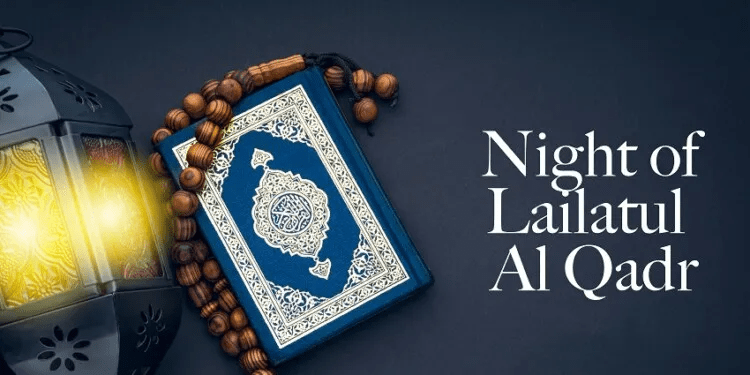
Muslim individuals recite the verses from the Quran and perform prayer (Namaz) the whole night to observe Shab-e-Qadr. Muslims also offer Special prayers (Namaz), and dua are also offered on this night of Shab-e-Qadr to regret their sins and seek blessings and rewards from God (Allah). As per Islamic Belief, the Shab-e-Qadr odd night comes with blessings and rewards, regret sins or seek forgiveness, and supplications are accepted by God (Allah). Several Muslim individuals spend the most time in prayer (Namaz) in mosques during the Shab-e-Qadr or the last 10 days and nights of Ramadan.
The third Ashra of Ramzan also allows for all the Muslim devotees to be saved from the Hellfire. Muslims are blessed with the odd holiest nights of Shab-e-Qadr, which is better than a thousand months and occurs in the third or last Ashra of Ramzan. Muslims often perform special and extra prayers (Namaz), mainly the night prayer, and seek forgiveness on this holiest night, believing it is a time of increased blessings and rewards from Almighty Allah. Mosques are decorated and illuminated for Muslim individuals to perform special prayers (Namaz), such as Tahajud and Taraweeh, during the sacred month of Ramadan.
Significance of Shab-e-Qadr in Islam – The significance of Shab-e-Qadr lies in its spiritual importance during the sacred month of Ramadan. It is believed that the night of Shab-e-Qadr is more sacred, or blessed, or holiest than a thousand months and that worshipping (Ibadat) to God (Allah) on this special night is better than worshipping (Ibadat) him for a thousand months. Muslim individuals recite or listen to the Holy Quran the whole night with meanings to observe Shab-e-Qadr during the sacred month of Ramadan. Shab-e-Qadr is a significant night for Muslims worldwide, and it holds great spiritual significance. It is a night of special prayer (Namaz), spiritual growth, worship, spiritual reflection, and seeking forgiveness and mercy from God (Allah). Shab-e-Qadr provides an opportunity for Muslims to be close to Allah by worshipping (Ibadat), offering special prayer (Namaz), and repenting their sins from God (Allah). This special night also allows Muslims to seek forgiveness, blessings, and rewards from Almighty Allah. God (Allah) grants forgiveness and opens the door of heaven on the special nights of Shab for those who regret their sins and seek blessings and rewards. Thus, Muslim individuals worship (Ibadat), offer special prayer (Namaz), and recite the Holy Quran on the night of Shab-e-Qadr to regret their mistakes and seek forgiveness, blessing, and rewards from Almighty Allah.
Muslims believe that the mercy, rewards, and blessings of God (Allah) are multiplied on the nights of Shab-e-Qadr. It is also believed that Allah grants more forgiveness on the nights of Shab-e-Qadr to those people who are seeking to regret their mistakes in their lives. As per Islamic Belief, the good deeds performed on the special or holiest nights of Shab-e-Qadr are more rewarded than on any other nights. Thus, Muslims must seek forgiveness, blessings, and rewards on the holiest nights of Shab-e-Qadr from Almighty Allah.
 daneelyunus