The basic concept of common sense is a long-standing term, which is based on the experience and perceptions of individuals. In my opinion, the common sense of any individual depends on their experience and knowledge of their life. Common sense can not be as common and varies from individual to individual as none of them has the same life experience and knowledge. The experience and knowledge come from the past life experience or any difficult times. The life experience of people is not similar so each person has different life perceptions and common sense. Thus, common sense is not so common among people with different real life experienced and knowledge,
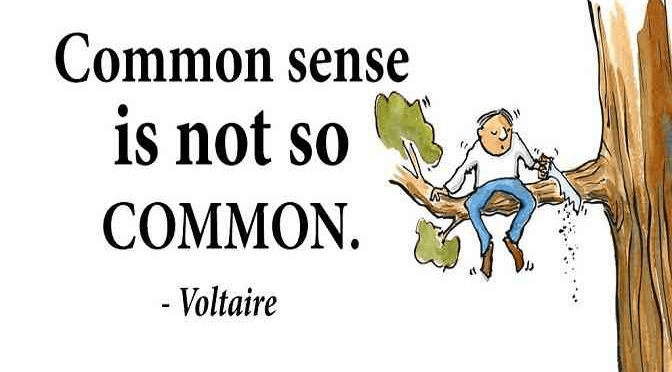
If you can share your problem with any individual then they say it’s common sense to solve this issue. You should have heard from several individuals that this is a common sense to solve your issues. In my opinion, common sense helps in solving any issues with your experience and knowledge. Common sense is different from many sensory perceptions and human normal thought. Common sense is also important in solving issues in office issues boyfriend-girlfriend conflict, married couple issues, and many more. An individual can solve these issues by their real past life perceptions and experiences. Each individual has different kinds of knowledge that is based on their experiences, priorities, and interests.
Some individuals solve their life issues including financial problems, marriage issues, job issues, and many more in the past life with different common sense. Thus, every person has different common sense that may depend on their previous life experiences or challenges to solve their issues. If two or more individuals discuss any issues then they have different perceptions or common sense to resolve their problems. People also resolve their life issues with their different common senses in the past, present, and in the future days or years.
Therefore, common sense is different from person to person with their real past life experiences, knowledge, and perceptions.
 daneelyunus